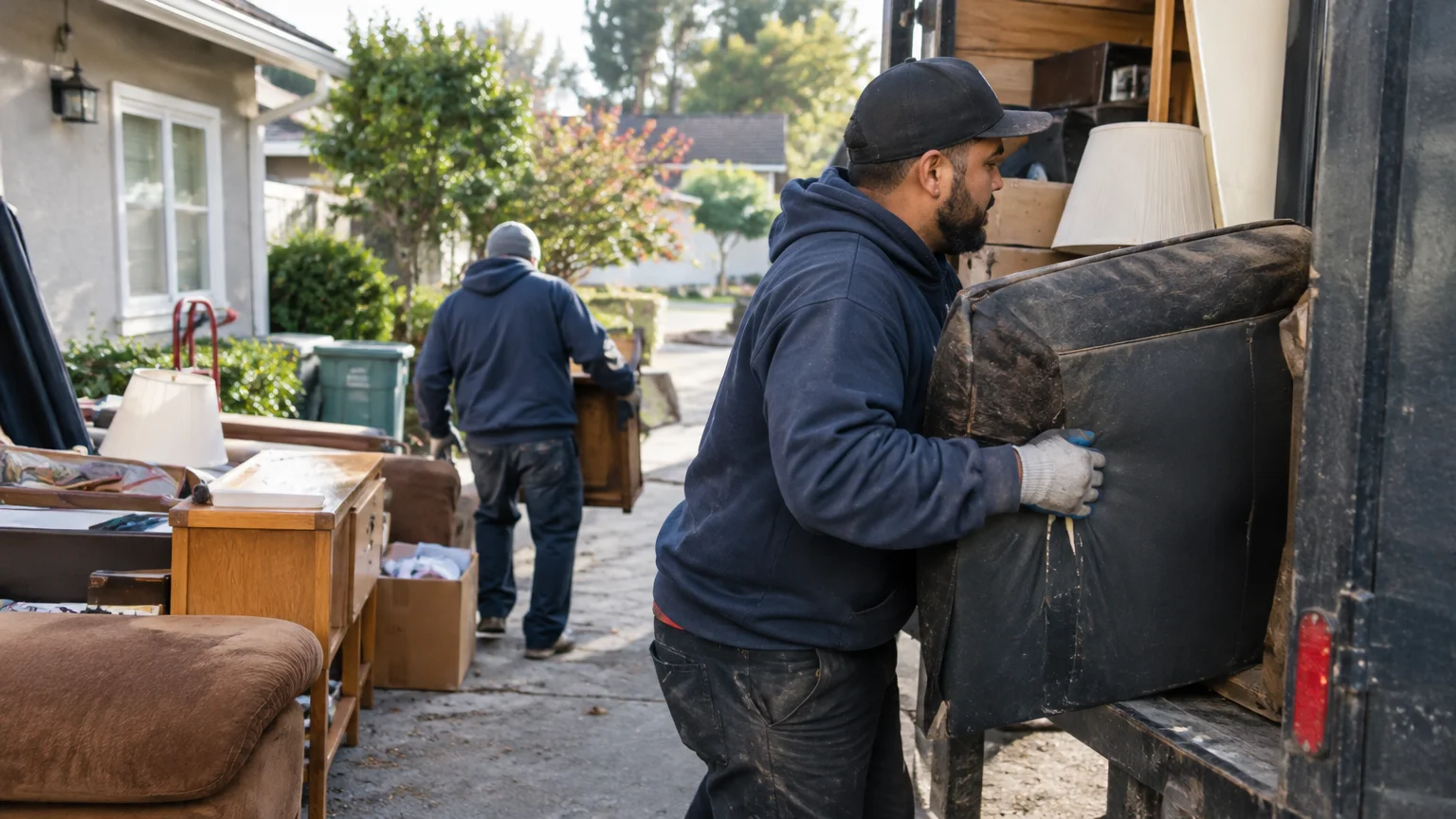
Scrap pickup helps homeowners remove large or unwanted appliances they cannot safely move alone. It may include refrigerators, washers, dryers, and other household machines. Before pickup, clear a safe path and check which items the service accepts. In Redding, appliance type, condition, and access can affect how collection is planned.
What does scrap pickup include for household appliances?
Household appliance scrap pickup is a service that collects unwanted machines for reuse, recycling, or proper disposal. The exact items accepted can differ by service and local rules. Check what is included before placing an appliance outside or setting a pickup time. Redding CA Junk Removal can explain its process and help homeowners know what details to share.
Which appliances are commonly picked up?
Many services may collect large appliances, such as refrigerators, freezers, washers, dryers, dishwashers, ovens, and stoves. Some may also take smaller items, like microwaves or window air conditioners. Acceptance can depend on an appliance’s size, condition, and parts. When arranging pickup, list each item so the service can confirm what it handles.
A working appliance may be fit for reuse, while a damaged one may go for material recovery. Reuse means an item is used again, sometimes after testing or repair. Material recovery means useful parts, such as metal, are sorted for recycling. The service decides what it can handle based on its process and local options.
How is appliance scrap different from general junk?
Appliances can have parts that need extra care. Refrigerators and freezers use refrigerants, which are substances that help keep them cool. These substances need careful handling during disposal. Do not cut cooling lines or try to remove these parts yourself.
General household junk may include furniture, boxes, or other items without the same handling needs. Some junk removal services accept scrap metal along with appliances, but rules vary. Broken furniture, concrete chunks, and mixed debris may need a different pickup plan. Ask about every item instead of assuming it can go in the same load.
The words “free appliance pickup” can mean different things. Some local programs or reuse groups may take certain working appliances, while other services have their own rules. Pickup is not always available. If you hope to pick up junk for free, check local reuse, recycling, or waste programs and ask what they accept.
How should you prepare appliances for scrap pickup?
Prepare appliances by emptying them, clearing the route, and checking what the service asks you to do. Put safety first around heavy items, sharp edges, water lines, and electrical connections. Homeowners can do simple tasks, but should not disconnect equipment if they are unsure how to do it safely.
What should you do before the pickup?
First, remove food, laundry, dishes, and loose parts. Empty and dry refrigerators or freezers, and secure their doors if needed. Keep small parts together when they belong to the appliance. If an item has broken glass or sharp metal, tell the service before anyone handles it.
Clear a path from the appliance to the exit. Move rugs, boxes, and other things out of the way. Check narrow doors or stairs if the appliance may be hard to move. Do not try to carry a large machine alone. Ask the pickup team what access it needs and where the appliance should stay.
A short checklist can help you get ready:
- Remove food, dishes, clothing, and loose contents.
- Clear a safe route from the appliance to the exit.
- Tell the service about stairs, narrow doors, or other access limits.
- Keep children and pets away from the moving area.
- Ask a qualified person to handle connections when needed.
When should an appliance stay connected?
Leave an appliance connected when unplugging or disconnecting it could cause harm or damage. This matters for gas ranges, hardwired machines, and appliances attached to water lines. You do not need a professional to empty an appliance or clear a path. But a qualified person should handle connections if you lack the right skills or feel unsure.
Do not pull an appliance away from the wall while it is still connected. This can strain cords, hoses, or pipes. If a refrigerator or freezer may need special care, ask the service how to prepare it. Redding CA Junk Removal can explain its pickup steps before you arrange collection.
What happens to appliances after pickup?
After pickup, appliances may be checked and sorted for reuse, parts recovery, recycling, or disposal. The next step depends on the item’s condition and the options available to the service. Ask where accepted appliances go and whether refrigerators receive the right care. Local rules and facilities in Redding can affect the options available.
How are appliances sorted for reuse or recycling?
A usable appliance may go to a reuse program if it can be tested and handled there. A damaged unit may be taken apart so its materials can be sorted. Many appliances contain metal, wires, glass, and plastic. Keeping these materials out of mixed waste can help make recovery possible when local facilities accept them.
Not every appliance can be reused or recycled in the same way. Age, condition, missing parts, and local options can all affect what happens next. Ask whether the service works with reuse groups or recycling facilities. Clear answers help you understand the plan without assuming every item will be recycled.
Why do refrigerators and other appliances need special handling?
Refrigerators and freezers may have refrigerants and other parts that need careful handling. Do not open or cut a damaged cooling system. These appliances can also be heavy and hard to move. Keep them upright when possible, and ask the pickup service about any steps to take first.
Washers and dishwashers may hold water in hoses or inside the machine. Dryers and ranges may have electrical or gas connections. Each item can bring a different safety concern, so tell the service what you have and whether it is connected. This helps the team plan a safe pickup and decide what tools or steps may be needed.
How can you choose a scrap pickup option for your home?
Choose a scrap pickup option by checking what it accepts, how it handles appliances, and what it asks you to do first. Ask clear questions before setting a pickup time. A local service can explain its process, while local reuse or recycling programs may suit some working items. For homeowners and businesses in Redding, the right choice depends on the items and access.
What should you ask before scheduling?
Ask if the service accepts each appliance, including broken or incomplete ones. Check whether it handles refrigerators, freezers, and appliances that are still connected. Share details about stairs, tight spaces, or a long walk from the home. This can help prevent a mismatch on pickup day.
It also helps to ask what happens after collection. Find out whether the service sorts items for reuse or recycling and whether certain appliances need extra preparation. If an item still works, ask if a reuse option may be available. Do not assume every service accepts every kind of household scrap.
How can you make pickup day easier?
Keep the pickup area clear and make sure the route is safe. Have the appliance details ready, including its type, condition, and location in the home. Do not move a heavy machine outside unless the service asks and it is safe. Leave connected equipment alone until a qualified person disconnects it.
Key takeaways
- Check which appliances the service accepts before arranging pickup.
- Empty appliances and clear a safe path, but do not risk unsafe lifting.
- Ask a qualified person to handle gas, electrical, or water connections when needed.
- Ask how refrigerators and other appliances will be handled after pickup.
Conclusion
The right plan depends on the appliance, its condition, and safe access from the home. A few questions can help you choose a suitable option and prepare without taking on risky work. For household appliance scrap pickup, Contact us at Redding CA Junk Removal to arrange collection.
Frequently Asked Questions
How can a homeowner get rid of an old fridge?
A homeowner can ask an appliance pickup service, local recycling program, or reuse group that accepts refrigerators. First, remove food and clear a safe path. Do not cut cooling lines or disconnect parts that need special care. Ask how to prepare the refrigerator and where it may go. The Redding CA Junk Removal website also shares information about the local service.
How should household appliances be disposed of?
The best option depends on the appliance’s condition and local services. A working item may be suitable for reuse, while a broken one may need recycling or proper disposal. Contact a service or local program and ask what it accepts. Do not leave appliances where they could block walkways or create a safety risk.
Is free appliance pickup available?
Some reuse groups or local programs may accept certain appliances, but pickup options and rules vary. A working item may be easier to place than a damaged one. Ask what the program takes, whether it collects from homes, and how the appliance should be prepared. Do not assume pickup is free or available in every area.
Can scrap pickup include furniture or concrete chunks?
Some services take furniture or other bulky items, but acceptance depends on the service and material. Concrete chunks may need a separate plan because they are heavy and unlike common household items. Describe each item before arranging collection. This helps the service confirm what it can handle safely.
If you are not sure what you are dealing with, it is worth having someone look at it before it turns into a bigger job. Find out more about our appliance removal in Redding. Get in touch with Redding CA Junk Removal today and we will tell you where you stand.