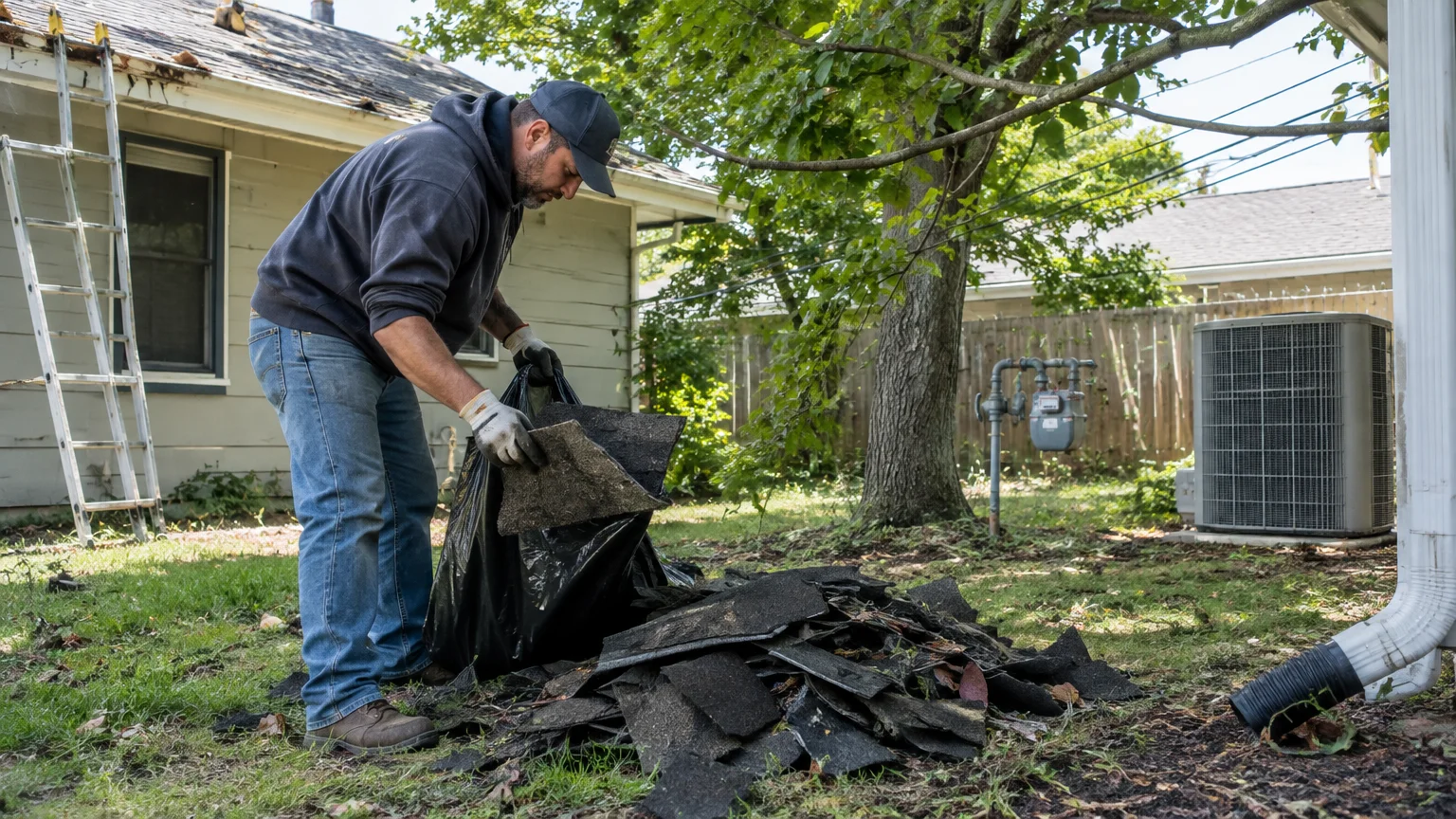
To prepare for roofing debris removal, first make sure the roofing work is done, sort the tear-off waste, clear the work area, and choose a safe pickup spot. Keep people, pets, cars, and tools away from loose shingles and nails. Share access details with Redding CA Junk Removal before collection day.
Table of Contents
- What Should You Do Before Roofing Debris Removal?
- Which Roofing Materials Need Special Handling?
- How Can You Make the Work Area Safe?
- Where Should Roofing Debris Be Placed for Collection?
- What Information Should You Share Before the Removal Appointment?
- How Long Does Roofing Debris Removal Usually Take?
- What Should You Check After Roofing Debris Is Removed?
What Should You Do Before Roofing Debris Removal?
Roofing debris removal works best after the roofer finishes all tear-off and installation work. The property owner or contractor should confirm that no more shingles, underlayment, flashing, or lumber will be added. This helps the removal crew collect the full load at one time.
Walk around the property to find loose waste. Look near roof edges, gutters, driveways, flower beds, porches, and side yards. Small pieces can travel farther than expected during tear-off. This check also helps separate roofing waste from items that should stay on the property.
Confirm the Roofing Project Is Complete
Final cleanup should wait until roof repairs or replacement work are done. If workers still need to remove old materials, place new shingles, or cut wood, more debris may appear. Waiting can prevent repeated handling and keep the staging area clear.
The contractor should also remove tools, ladders, tarps, and unused supplies. These items may block access or look like waste during collection. Keep reusable materials separate so the pickup stays clear and safe.
Identify the Materials That Need to Be Hauled Away
Roofing waste may include asphalt shingles, wood shakes, underlayment, felt, flashing, drip edge, nails, damaged plywood, and small trim pieces. Some homes also have old vents, pipes, or other roof parts that need removal. A simple list gives the crew a better idea of the job.
Redding CA Junk Removal can help Redding property owners sort the debris pile. The same planning helps contractors across the Redding area, including Downtown Redding, Enterprise, Anderson, Shasta Lake, Palo Cedro, Cottonwood, and nearby communities. Appliances, hot tubs, and household junk should be listed separately because they are not part of a normal roofing load. These items may need a different plan, much like other junk removal work or professional furniture removal.
Which Roofing Materials Need Special Handling?
Most roofing tear-off waste needs careful lifting, sorting, and loading. Shingles can be heavy in large piles, while nails and flashing can cut skin or damage tires. Workers should use gloves, strong shoes, and safe lifting methods when moving these materials.
Some roofing waste may need extra review before removal. The age and condition of the roof can matter. If a contractor thinks an older material may contain asbestos or another regulated substance, the property owner should stop and follow local rules for testing and disposal.
Shingles, Underlayment, Flashing, and Wood
Asphalt shingles are common after roof replacement. They may have sharp edges and exposed nails. Underlayment can be light but may spread across a yard or driveway. Metal flashing and drip edge need care because their cut edges can be very sharp.
Wood pieces may include broken decking, trim, shakes, or damaged framing. Long boards should be placed so they cannot roll or fall. Small nails and fasteners should stay in a strong container. Loose bags may tear during lifting.
Construction debris means waste left from building, repair, or remodeling work. Roofing waste is one type of construction debris. Demolition debris can include larger pieces left when a structure or part of a structure is removed.
When Roofing Materials May Require Additional Safety Precautions
A homeowner should not handle suspected hazardous materials without help from a qualified professional. The same applies to debris mixed with chemicals, damaged electrical parts, or unknown dust. Roofing crews and removal providers can explain what should remain untouched until the material is checked.
Tell the crew about storm damage, water damage, mold concerns, or unstable roof sections. These details help the team plan its approach. Redding CA Junk Removal can review the debris type before the appointment so the collection plan fits the site.
How Can You Make the Work Area Safe?
The work area should be clear before anyone begins loading debris. People, pets, cars, outdoor furniture, and lawn equipment should stay away from the collection zone. This reduces trip risks and gives workers room to carry heavy or sharp materials.
A homeowner can safely complete simple checks from the ground. Do not climb onto the roof or enter an unstable area to search for waste. Roof edges, damaged decking, and loose ladders should be left to trained roofing workers.
Keep People, Pets, Vehicles, and Outdoor Equipment Clear
Move cars out of the loading path when possible. Keep gates unlocked, or arrange access before the crew arrives. Pets should stay indoors or in a secure area while workers carry large loads or use carts.
Move outdoor items away from loose shingles and nails. This includes grills, toys, hoses, planters, bicycles, and tools. If an item cannot be moved, point it out before work begins.
Simple ground checks and light cleanup may be safe for a homeowner. Large piles, unstable materials, roof work, and suspected hazardous waste should be left to trained workers. Knowing when not to do the job yourself helps prevent injury.
Watch for Nails, Sharp Edges, and Unstable Debris
Nails can hide under shingles, tarps, leaves, and grass. A ground-level visual check can find many hazards, but it may not find every small fastener. Thick gloves and closed-toe shoes can help during simple cleanup, but children should never collect roofing nails.
Do not stack loose piles near stairs, doors, drains, or steep slopes. A pile that shifts can block an exit or damage a finished surface. When conditions seem unsafe, stop and ask the roofing contractor or removal crew for help.
Where Should Roofing Debris Be Placed for Collection?
Place roofing debris in a stable area with a clear path to the vehicle. A driveway or firm surface is often easier than soft soil, but the best place depends on the property. The staging spot should not block emergency access, neighbors, drainage areas, or public walkways.
Keep debris contained and low enough to remain stable. Secure light underlayment so wind cannot spread it. Sharp metal and loose nails should stay inside suitable containers when possible.
Choose an Accessible and Stable Staging Area
The crew needs enough room to walk, lift, and carry materials. A narrow side yard may work if the path is clear. A fenced area may need access planning before the visit. Long distances, stairs, gates, and steep slopes can change how debris should be staged.
Avoid placing waste beneath low branches or near overhead lines. Debris should also stay away from gas meters, electrical equipment, outdoor units, and water drains. These simple choices help protect the site during loading.
Protect Driveways, Landscaping, and Finished Surfaces
Heavy debris can scratch concrete, crush plants, and mark pavers. Protective boards or sturdy coverings may help when approved for the surface. Ask the roofing contractor or removal crew before placing anything that could trap water or cause damage.
Keep landscaping visible around the pile. Branches, garden beds, retaining walls, and irrigation parts can be hard to see under loose shingles. A clear staging area helps the crew remove waste without disturbing finished work.
What Information Should You Share Before the Removal Appointment?
The removal provider should know what materials are ready, where they sit, and how the crew will reach them. Clear details help prevent delays and reduce surprises on collection day. Photos may also help when the provider offers a way to review them before the visit.
A useful description includes the roof type, main debris materials, number of piles, and whether the debris is loose or bagged. Mention stairs, gates, narrow drives, soft ground, and parking limits. This information helps the crew plan the safest path.
Describe the Debris Type, Volume, and Location
You do not need to measure every piece. A plain description is enough, such as several piles of asphalt shingles beside the driveway. It also helps to say whether the load includes wood, metal flashing, underlayment, nails, or old roof fixtures.
Explain mixed loads early. A roof cleanup may include materials from a shed, garage, or detached structure. Separating roofing waste from general junk makes the work easier and helps the crew bring the right equipment. Business owners can use the same clear notes when planning retail removal FAQs for a store or work site.
Mention Access Limitations and Site Conditions
Access details matter at homes, commercial properties, and active job sites. Mention locked gates, one-way drives, low branches, underground work, soft soil, and areas that cannot support heavy movement. Contractors should also note whether other trades will still be working nearby.
Redding CA Junk Removal serves customers and nearby parts of the area. Sharing accurate site details helps the team plan a safer path. The collection plan can be confirmed after the job conditions are understood.
How Long Does Roofing Debris Removal Usually Take?
The cleanup time depends on the amount of debris, the material mix, the distance to the loading area, and the site layout. A small pile near an open driveway is usually simpler than several piles spread around a large property. Access, weather, stairs, and sorting needs can also affect the work.
A roofing contractor may sweep some areas before the removal crew arrives. Even then, hidden nails and small pieces may remain around edges and landscaping. A final pass after loading helps confirm that the site is ready for normal use.
Factors That Affect the Cleanup Timeline
The main factors include the number of roof layers, the size of the structure, and the materials removed. Wet shingles may be harder to handle than dry materials. Heavy wood, metal pieces, and damaged decking can also require slower movement.
A blocked driveway or long carry path may add work. So can a narrow gate, steep slope, or need to protect plants and finished surfaces. Early notice about these conditions helps the crew set a more realistic plan.
How Removal Fits Into the Final Project Cleanup
Roofing debris removal is one part of a complete post-project check. The contractor may still need to inspect flashing, gutters, vents, trim, and roof edges. The property owner can then check the ground for loose waste and confirm that paths, driveways, and outdoor spaces are usable.
The same cleanup may include packing materials, damaged tools, or unrelated junk. List those items before collection. A clear scope keeps roofing debris removal focused while giving the property owner a cleaner finished site.
What Should You Check After Roofing Debris Is Removed?
After removal, walk around the building and check the driveway, lawn, walkways, and work areas. Look for loose shingles, nails, metal scraps, wood splinters, and scraps under shrubs. Stay on the ground and avoid climbing onto the roof.
Also check that gates, fences, drains, and outdoor equipment remain clear. Report damage or missed debris promptly to the responsible contractor or removal provider. A final check helps close the project with fewer loose ends.
Inspect the Roof Perimeter and Surrounding Property
Look along walls, corners, gutters, downspouts, porches, and areas beneath roof valleys. Debris can collect where wind or water moves it. Check the main work area and nearby places where workers carried materials.
Simple sweeping may be safe on firm ground when no sharp or unknown waste is present. A magnet tool can help find some loose nails, but it should not replace a careful visual check. Children and pets should stay away until the area is confirmed safe.
Key Takeaways for a Cleaner, Safer Post-Roofing Site
- Confirm the roofing work is complete before scheduling final debris removal.
- Separate shingles, wood, metal, underlayment, and unrelated household junk.
- Keep people, pets, vehicles, and outdoor items away from loose debris.
- Choose a stable staging area with a clear path for the removal crew.
- Share access limits, site hazards, and material details before collection.
Frequently Asked Questions
How can I get my property ready for roofing debris removal?
The best approach is to confirm the project is finished, identify the debris, clear the work zone, and choose a safe staging area. Share access limits and unusual materials before the appointment. These steps help the crew work safely and complete the cleanup with less trouble.
What cleanup can I safely handle myself?
A homeowner can handle simple ground checks and light cleanup when the area is stable and the waste is safe. Roofing work, unstable materials, suspected hazardous waste, and large heavy piles should be left to qualified workers. Never climb onto a damaged roof to remove debris.
Where should I put old shingles before the crew arrives?
Old shingles should sit in a stable, accessible area that does not block doors, drains, vehicles, or public paths. Keep the pile low and secure. A driveway may work well, but protect the surface when needed and tell the removal provider the exact location.
What should I do with loose roofing nails?
Keep loose nails away from children, pets, cars, and walking paths. A homeowner may perform a careful ground-level check with proper footwear and a magnet tool. Any large amount of nails or unsafe area should be handled by the roofing or removal crew.
Can roofing waste go in the same pile as other household junk?
Roofing debris can sometimes be collected with other junk, but tell the provider about the mixed load first. Appliances, hot tubs, furniture, chemicals, and roofing materials may need different handling. Separating items makes the scope clear and helps the crew plan a safe removal method.
Conclusion
Good preparation makes roofing debris removal safer and easier. Finish the roof work, sort the waste, clear the area, choose a stable pickup spot, and share honest site details. Redding CA Junk Removal can help property owners and contractors plan the next step. Contact us to arrange roofing debris removal for the completed project.