Estate cleanouts pa can help families and property owners sort a home’s contents and plan what happens next. Start by deciding what to keep, sell, donate, or remove, then share those choices with everyone involved. A clear plan helps protect important belongings and prepares the property for cleaning, repairs, sale, or handover.
Estate cleanouts can help families, property owners, and professionals clear a home after an inheritance, foreclosure, or major life change. The work may include sorting belongings, removing unwanted items, and making a safe plan for special materials. Redding CA Junk Removal helps people plan a cleanout for a home’s next use.
Table of Contents
- What does an estate cleanout in Pennsylvania involve?
- How should you prepare a property for an estate cleanout?
- What items can be removed during a Pennsylvania estate cleanout?
- How do you handle sensitive belongings during a cleanout?
- How can a cleanout prepare a foreclosed property for sale or turnover?
- What affects the time and effort required for an estate cleanout?
- How do you choose an estate cleanout service in Pennsylvania?
- Frequently Asked Questions
What does an estate cleanout in Pennsylvania involve?
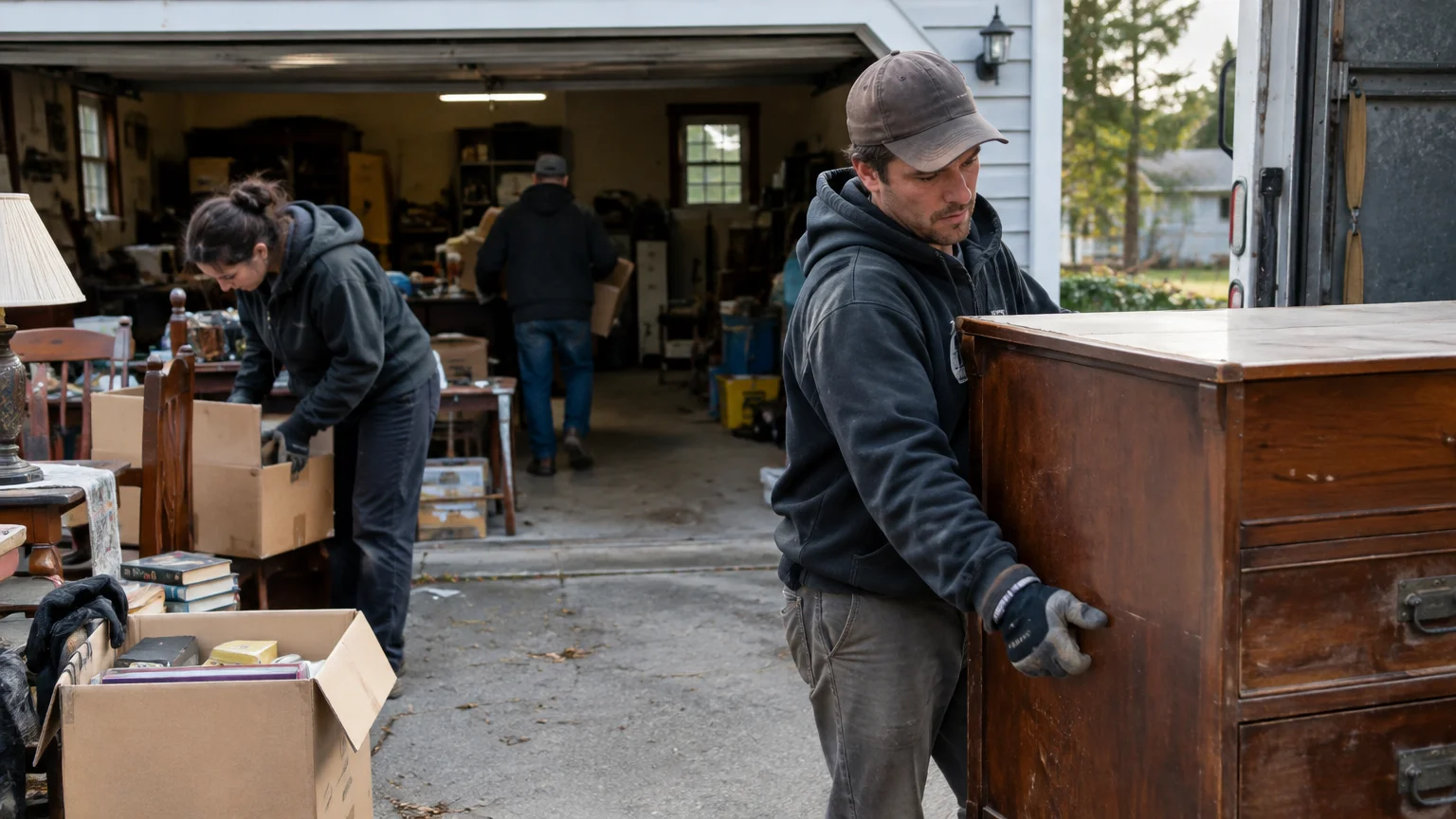
An estate cleanout is a planned way to sort and remove belongings from a home or property. It may include furniture, appliances, household goods, and leftover debris. Before work begins, agree on the result you need, such as a home ready for cleaning, repairs, sale, or handover.
How an estate cleanout differs from ordinary junk removal
Ordinary junk removal often means taking away a few unwanted items. An estate cleanout may cover most of a home’s contents and need careful sorting. It may also involve family members, an executor, or people planning repairs or a sale.
The term estate cleanout services can mean help with a whole home, a garage, or only selected rooms. Every property has different needs. Some homes have just a few items to remove, while others need more sorting before anyone can clean or inspect them.
When cleanouts are needed for inherited or foreclosed properties
A family may need a cleanout after inheriting a home or settling an estate. An owner, executor, or property manager may also need one after a foreclosure, tenant move-out, or change in ownership. In each case, first decide who can approve choices and what items must stay.
In Redding, clear instructions can help family members make decisions with less confusion. Redding CA Junk Removal can discuss the work plan with the person in charge of the property. Before removal begins, agree on the rooms included and identify anything that must remain.
How should you prepare a property for an estate cleanout?
Begin by deciding what should stay, what may be sold or donated, and what can go. Share the plan with everyone who has a say in the property. A short written list can prevent mix-ups and help the team focus on the right rooms and belongings.
Identify belongings to keep, donate, sell, or remove
Walk through the property and mark anything that must not be moved. Use labels, a written list, or a separate room to protect important belongings. Photos of each room can also help, especially when several people are involved or the home is being prepared for sale.
Sort items into clear groups:
- Keep: Family belongings, records, and items the owner wants to save.
- Donate: Usable goods that a local group may agree to accept.
- Sell: Items the family plans to value or offer for sale.
- Remove: Unwanted furniture, broken goods, and household debris.
Donation groups decide what they can accept. Check with them first, and do not assume they will take every item. Set aside anything with personal or legal value before the cleanout starts.
Coordinate with heirs, executors, agents, or property managers
Choose one person to answer questions and approve changes. That person can share the same written plan with heirs, an executor, a real estate agent, or a property manager. If several people must agree, decide how you will handle questions before anything is moved.
Plan how the team will enter the home and which areas they may use. Keep walkways clear, secure pets, and share any rules for the building. Also point out locked rooms or areas that are not part of the job. These steps can help prevent delays and missed items.
What items can be removed during a Pennsylvania estate cleanout?
A cleanout may include furniture, appliances, clothes, and other household goods. Confirm what is included before work begins. Some materials need special care, so tell the service about them early instead of mixing them with ordinary household debris.
Furniture, appliances, household goods, and accumulated debris
Common items include tables, beds, sofas, cabinets, rugs, boxes, and small household goods. Appliances may also be removed, depending on the agreed plan and the item’s condition. Before arranging removal for old furniture, decide if it can stay, be donated, or be sold. Broken furniture may need removal when no one can use or accept it.
For a fridge or another large appliance, ask how to prepare it and whether the service accepts it. Remove food and loose items, and keep the appliance closed. Disposal choices can depend on the item and local rules, so check with the service or local waste provider before setting it out.
Describe concrete chunks, bricks, and other heavy debris when you arrange the work. These items may need a different plan from household goods. Do not hide heavy materials in boxes or mix them with lighter items. A clear description helps the team plan the right equipment and safe handling.
Hazardous materials and items that may need specialized handling
Some items should not go into a regular junk load. These may include chemicals, fuel, paint, some batteries, and other materials that can harm people or the environment. Rules and drop-off options vary by place. Ask the local waste authority how to handle these items safely.
Tell the cleanout service if the home has anything that may need special care. Do not open unknown containers, mix chemicals, or move items that seem unsafe. If you see pests, mold, or damaged building materials, stop work in that area and ask a qualified professional what to do.
How do you handle sensitive belongings during a cleanout?
Set aside papers, valuables, and keepsakes before removal begins. Decide who can review them and where they should go. Taking these steps protects private items and gives family members time to find belongings they want to keep.
Set aside documents, valuables, and personal keepsakes
Look for mail, legal papers, photographs, keys, jewelry, and small keepsakes. Put them in a marked box or a locked room away from the work area. If a family member or executor needs to review records, plan that step before the home is cleared.
Do not assume a small item has little value. A folder may hold papers needed for the estate, while a plain box may contain family photos. Check drawers, shelves, and storage areas that are part of the work plan. Tell the team which things must not be removed.
Use clear decisions and communication when multiple people are involved
When several people have a say in the home, confusion can arise. Share the same written instructions with everyone and choose one person to answer questions. If people disagree about an item, pause its removal until they decide what to do.
A room-by-room list can make the plan easier to follow. Note what stays, what goes, and which areas are off limits. Keep updates in one place so family members, the executor, and the service team can see the latest choices instead of relying on guesses.
How can a cleanout prepare a foreclosed property for sale or turnover?
A cleanout can remove leftover belongings and make rooms easier to inspect, clean, repair, or prepare for sale. Before work starts, the owner or property manager should say what must stay and what the next team needs. Clear rooms make it easier to see floors, walls, and fixtures.
Remove remaining contents and clear access to rooms
Start with the work areas and paths into the home. Move unwanted furniture, loose items, and debris from doorways, halls, and rooms set aside for repairs. If a contractor needs a certain area, tell the cleanout team before the visit and keep the route clear.
A property-ready cleanout does not always mean the home is fully cleaned or repaired. It means the agreed items have been removed so the next steps can begin. Say whether the work includes sheds, basements, attics, garages, or only living areas.
Plan debris removal alongside repairs, cleaning, and property inspections
Set the order of work with the people who manage the property. Removing belongings before deep cleaning can make floors and surfaces easier to reach. Repairs may need to happen before a final clean, so check the order with the agent, contractor, or property manager.
For foreclosed homes, keep a record of the areas cleared and anything left behind by agreement. Tell the team about entry limits, lockbox rules, or other building instructions. A clear plan can prevent extra handling and make the home easier to inspect or turn over.
What affects the time and effort required for an estate cleanout?
The work depends on the home’s size, the amount it holds, access, and how much sorting is needed. The home’s condition and any special disposal needs also matter. A mostly empty home with clear access is different from a packed property with heavy items or many belongings to review.
Property size, volume of contents, access, and sorting needs
A larger home may need more work because it has more rooms and storage areas to check. A crowded garage, basement, or attic can add to the task. Narrow stairs, limited parking, long paths to the home, and locked areas may also change how the work is planned.
Sorting can take time when family members need to review many belongings. The work may go more smoothly when choices are made before the team arrives and important items are marked. Share photos or a room list when asking about the job. Point out large furniture, appliances, and heavy objects, too.
How property condition and specialized disposal needs affect the work
A home with damaged belongings, blocked paths, or signs of pests may need extra care. Some items cannot be handled like ordinary household debris. If the home has chemicals, unknown containers, or materials that may be unsafe, describe them before setting a work date.
People may ask about estate cleanout services cost or estate cleanout costs. The amount of work depends on how much needs removal, access, sorting, item types, and any special handling. A few easy-to-reach items take a different plan from a full home with heavy belongings and careful sorting. The final cost is confirmed on a quote.
How do you choose an estate cleanout service in Pennsylvania?
Choose a service that listens to your plan, explains what the work includes, and treats belongings with care. Ask about the rooms, item types, disposal steps, and timing. A clear plan helps the owner, family, or property manager know what to expect before removal begins.
Ask about scope, handling practices, scheduling, and disposal
When comparing an estate cleanout company or several estate cleanout companies, ask each one the same questions. Find out which rooms are included, how special items are handled, and what the service cannot take. Ask how the team will enter the home and what the space should look like when the job is done.
A local estate cleanout service near me may help when a property needs hands-on support. Confirm the service area and the work plan first. In Redding and nearby California communities, Redding CA Junk Removal can discuss cleanout needs and explain how to prepare for the work.
Check whether the service can meet the timing needed by an agent, executor, or property manager. Ask what happens if the team finds items that were not part of the first plan. Clear answers can prevent confusion on the day of the cleanout.
Confirm the cleanout plan and property-ready expectations before work begins
Write down the rooms to be cleared, the items that must stay, and any areas not included. Confirm who will be at the property and who can approve changes. If the home needs to be ready for a sale or handover, explain what that means, such as clear floors or removal of agreed items.
Good estate cleanouts pa start with clear choices and careful communication. A written plan can protect belongings and help prepare a home for its next step. Set out the work plan before the cleanout begins so everyone knows what to expect.
Frequently Asked Questions
How do you get rid of old furniture during an estate cleanout?
First decide whether the furniture should stay, be sold, or be offered for donation. Check with the donation group before arranging a drop-off, since some groups do not take damaged or bulky items. For furniture no one wants, ask the cleanout service what it can remove and describe the item’s size and location.
How should someone dispose of an old fridge?
Ask the local waste provider or cleanout service how it accepts refrigerators. Before removal, take out food and loose items, then follow any instructions for preparing the appliance. Do not leave a fridge where children can get inside it. Local rules and disposal choices may vary, so check before moving it.
Can a cleanout include concrete chunks and other heavy debris?
Some services may take concrete or other heavy debris, but confirm this before the job. Describe the material, amount, and location. Heavy building debris may need different handling from household goods. Do not put it in boxes or mix it into a load without clear instructions.
What should families do before an estate cleanout begins?
Families should agree on what to keep, sell, donate, or remove. Set aside personal papers, valuables, and keepsakes, then name one person to answer questions. Share a room list and point out areas that should not be entered. These steps give the team clear directions and help protect important belongings.
What is included in estate cleanout services?
The work depends on the plan you agree on. It may include removing furniture, appliances, household goods, and debris from selected rooms or a whole home. Some materials need special care, and some services may not accept them. Confirm the included areas, accepted items, and expected result before work begins.
Key takeaways
- Sort belongings before removal and mark everything that must stay.
- Choose one person to answer questions and approve changes.
- Describe large, heavy, or possibly unsafe items before work begins.
- Match the cleanout plan to the next step, such as repairs or sale.
- Confirm the rooms, items, access plan, and expected result in advance.
Conclusion
An estate cleanout can help families and property professionals prepare a home for its next use. Clear choices, safe handling, and a shared plan help everyone know what stays and what goes. Redding CA Junk Removal can discuss an estate or foreclosure cleanout. Contact us to talk through the work plan.