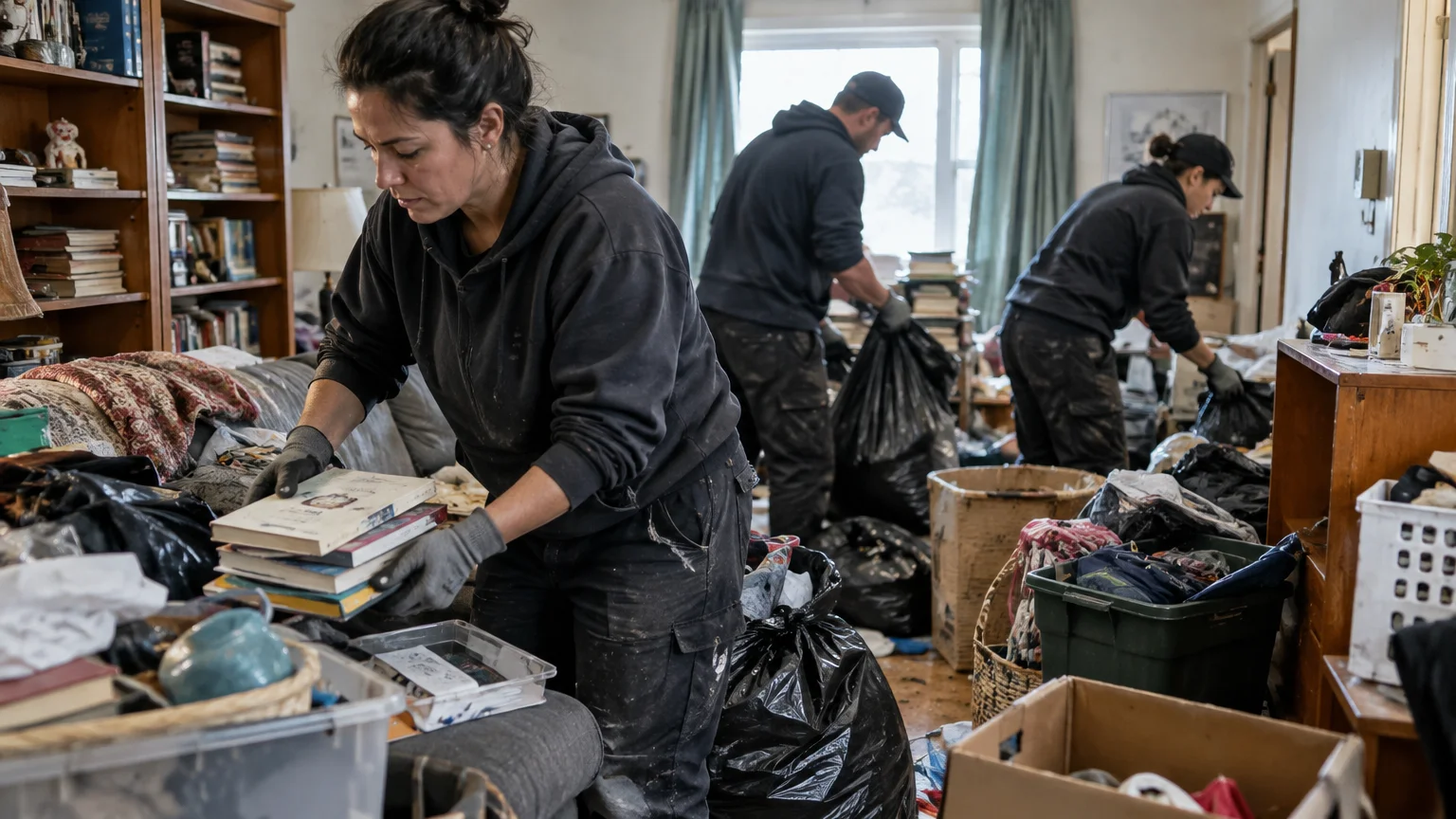
Hoarding cleanup FAQs explain what families can expect, from planning and sorting to safe removal and next steps. The work often starts with a careful review of the home and the items inside. In Redding, a clear, respectful plan can help protect people, belongings, and the property while setting realistic expectations.
How much does hoarding cleanup cost?
The cost of hoarding cleanup depends on how much material needs removal, the home’s layout, access, and any safety concerns. Clearing one room with open paths is different from working through a full home with blocked exits or heavy items. Damage or special handling needs can also affect the work. The final cost is confirmed on a quote after the job is reviewed.
What factors affect the scope of a cleanup?
First, the team needs to know which rooms need attention and which belongings must stay. Stairs, narrow paths, hard-to-reach spaces, and large or heavy items can change how the crew works. These details help the team understand the task and plan safe ways to move items out.
The kind of material matters, too. Old furniture, broken furniture, and appliances may need different handling. The crew can explain whether it can remove a refrigerator or another appliance as part of the cleanup. Concrete pieces, chemicals, and other special materials may need separate handling or a qualified provider.
The home’s condition is also important. Leaks, pests, mold, damaged floors, or blocked exits can mean that extra care is needed. In some cases, another professional should check the property before removal work goes ahead. The cleanup team can explain which items it can take and when a specialist may need to look at the home.
How does hoarding cleanup differ from a standard cleanout?
A standard cleanout often means removing unwanted items from a home or property. Hoarding cleanup may also involve careful sorting, opening clear paths, and checking in with the person or family. Not every item should be treated as junk. When possible, the person should help decide what stays and what goes.
Redding CA Junk Removal can help property owners understand the work before it begins. A clear plan can separate item removal from repairs, deep cleaning, or other work. It can also help families know which choices they need to make first. These steps can matter in a home cleanout, just as planning matters for warehouse cleanup, office cleanout FAQs, and retail removal FAQs.
How long does a hoarding cleanup take?
A hoarding cleanup may take more or less time based on the home’s size, the amount of material, and how easy it is to reach each area. One room may take less time than a whole house with packed rooms or blocked paths. The schedule is best set after the team reviews the home and the work needed.
What can affect the cleanup timeline?
The amount of sorting and removal is one key factor. Work may take longer when rooms are hard to reach, items are heavy, or safety concerns are present. The type of waste can also affect the timeline. Some materials need special handling instead of regular junk removal.
Family decisions can affect the pace as well. Some belongings may have personal or legal value, so it helps to decide who can approve removal before work starts. That choice can prevent delays and lower the chance of discarding something important. If several people need to make decisions, agreeing on one point person can help the plan stay clear.
How can planning help the work go smoothly?
Before the crew arrives, the person or family can mark items that must stay. They can gather important papers, photos, keys, and medicines in a safe place. It also helps to choose who will answer questions during the work. These steps give the team clear guidance.
A practical order is to open safe paths first, set aside items that need a decision, and then remove approved belongings. This can make it easier to move through the home without rushing personal choices. It can also help the team spot rooms or areas that may need separate cleaning or repair.
Reviewing hoarding cleanup FAQs can help families plan safe sorting and removal of household belongings. For a home cleanout, the team should focus on household items and belongings approved for removal. Redding CA Junk Removal can talk through a step-by-step plan with families. The plan can fit the property and the person’s needs.
How is a hoarding cleanup handled safely and compassionately?
A safe, caring cleanup begins with a review of the home and a respectful talk about the person’s goals. The team should look for hazards, agree on what may be removed, and keep paths clear where possible. The person should take part in choices rather than have belongings removed without their knowledge.
What safety concerns should be assessed first?
The team should look for blocked exits, unstable piles, sharp objects, pests, and signs of water or building damage. These conditions may make it unsafe to enter or move items. A qualified professional may need to check serious hazards before cleanup can continue.
Workers should use suitable safety gear and follow safe steps when handling items. Some chemicals, medical waste, or other dangerous materials should not go with ordinary junk removal. If an item needs special care, the team should arrange the right kind of handling. This keeps the work within the team’s ability and helps protect everyone at the property.
Homeowners do not need a professional for every small task. They can sort items in a clear, well-lit area, label boxes, and list belongings to keep. They should not climb unstable piles or lift heavy items alone. They should also leave unknown chemicals and sharp waste to people trained to handle them.
How can the person and their belongings be treated with respect?
Ask the person what matters most and how they want decisions made. A simple keep, remove, and review system can help everyone follow the same plan. Items marked for review should stay in place until the person or chosen decision-maker has time to decide.
A calm pace and clear words can make the work easier. The team should avoid blame, protect the person’s privacy, and explain each step in a kind way. Hoarding junk removal works best when it respects the person’s choices. The goal is to help make the home safer and restore useful space.
What happens after a hoarding cleanup?
After approved items are removed, next steps depend on the home’s condition and the owner’s goals. The property may need basic cleaning, repairs, or a separate safety check before it is ready to use. A cleanout does not fix damage by itself or make every room safe. It is one step in a larger plan.
What steps help make the property usable again?
After removal, the owner can check floors, walls, plumbing, and paths for damage. Deep cleaning or repairs may be needed before rooms can be used as usual. If the home is part of an estate or foreclosure, the owner may also need to plan for an inspection, sale, or handover.
A helpful next-step list may include:
- Set aside important papers, valuables, and personal keepsakes.
- Arrange cleaning or repairs for areas that are damaged.
- Check that doors, exits, and walkways are clear.
- Decide how useful belongings will be stored and kept in order.
Hoarding cleanup needs vary from home to home, so families should describe the items and areas they want cleared. They can also ask which materials the team accepts and which need another service. That talk helps set clear expectations before removal starts. It can also show what work may need to happen after the cleanout.
What should owners or families consider before the cleanup begins?
The owner or family should decide who can approve removal and who will be present. They should also secure private papers, medicines, and belongings with legal or family value. If the property is inherited, it may help to check with the person handling the estate before anything is discarded.
Frequently Asked Questions
How can someone get rid of an old refrigerator?
An old refrigerator should go through a service that accepts appliances and follows local disposal rules. The owner should remove food and ask how to prepare the appliance before pickup. If it is part of a larger hoarding cleanup, the team can explain whether it can remove the refrigerator with the other approved items.
How should broken furniture be removed?
Broken furniture can often be taken with other household junk, but its size and condition matter. Keep people away from sharp edges, and do not try to move heavy pieces alone. A cleanup crew can review the path out of the home and the removal needs before work begins.
Can a cleanup team remove concrete chunks?
Some junk removal teams accept small amounts of concrete, while others do not. Concrete is heavy, so the amount, size, and location all matter for safe handling. Describe the material clearly and confirm whether the crew can take it before adding it to the plan.
Does the home need to be empty before cleanup starts?
No, the home does not need to be empty before cleanup begins. The person and the team can agree on what stays, what goes, and what needs more thought. Clear paths and a safe place for important belongings can help the work move ahead safely.
Conclusion
A thoughtful cleanup plan can make a difficult property cleanout easier to manage. It should cover safety, personal choices, removal needs, and any repairs that may follow. Redding CA Junk Removal can help property owners understand hoarding cleanup options and decide which steps fit their situation. Families in Redding can use these steps to plan what comes next.
Key takeaways
- The home’s contents, access, and condition shape the work and timing.
- Families should agree on what stays before removal begins.
- Serious hazards may need review by a qualified professional.
- Cleanup and repairs are separate steps, and both may be needed.
Find out more about our estate cleanout in Redding. Contact us to discuss a hoarding cleanup plan with Redding CA Junk Removal.